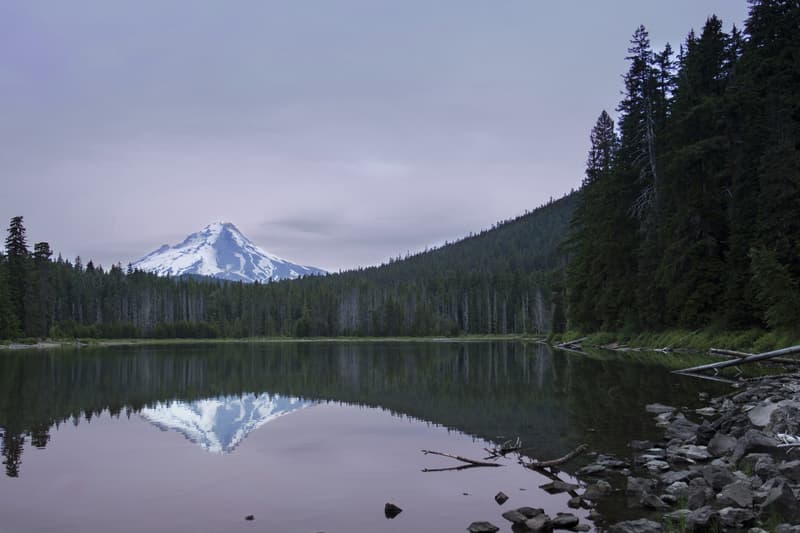
The 216 colors that late-1990s browsers could show on a 256-color display without dithering, and what a photograph looks like when it is forced into them.
216 colors: a 6 × 6 × 6 cube
Every channel takes one of six levels, 00 33 66 99 CC FF, so every web-safe color can be written in three hex digits: #369 is #336699. Each slice below is one red level; in a slice, green grows down the rows and blue grows across the columns. Labels are black or white, whichever contrasts more with the swatch; the lowest label contrast is 4.66:1, white on #c39.
Red 00
#000
#003
#006
#009
#00c
#00f
#030
#033
#036
#039
#03c
#03f
#060
#063
#066
#069
#06c
#06f
#090
#093
#096
#099
#09c
#09f
#0c0
#0c3
#0c6
#0c9
#0cc
#0cf
#0f0
#0f3
#0f6
#0f9
#0fc
#0ff
Red 33
#300
#303
#306
#309
#30c
#30f
#330
#333
#336
#339
#33c
#33f
#360
#363
#366
#369
#36c
#36f
#390
#393
#396
#399
#39c
#39f
#3c0
#3c3
#3c6
#3c9
#3cc
#3cf
#3f0
#3f3
#3f6
#3f9
#3fc
#3ff
Red 66
#600
#603
#606
#609
#60c
#60f
#630
#633
#636
#639
#63c
#63f
#660
#663
#666
#669
#66c
#66f
#690
#693
#696
#699
#69c
#69f
#6c0
#6c3
#6c6
#6c9
#6cc
#6cf
#6f0
#6f3
#6f6
#6f9
#6fc
#6ff
Red 99
#900
#903
#906
#909
#90c
#90f
#930
#933
#936
#939
#93c
#93f
#960
#963
#966
#969
#96c
#96f
#990
#993
#996
#999
#99c
#99f
#9c0
#9c3
#9c6
#9c9
#9cc
#9cf
#9f0
#9f3
#9f6
#9f9
#9fc
#9ff
Red CC
#c00
#c03
#c06
#c09
#c0c
#c0f
#c30
#c33
#c36
#c39
#c3c
#c3f
#c60
#c63
#c66
#c69
#c6c
#c6f
#c90
#c93
#c96
#c99
#c9c
#c9f
#cc0
#cc3
#cc6
#cc9
#ccc
#ccf
#cf0
#cf3
#cf6
#cf9
#cfc
#cff
Red FF
#f00
#f03
#f06
#f09
#f0c
#f0f
#f30
#f33
#f36
#f39
#f3c
#f3f
#f60
#f63
#f66
#f69
#f6c
#f6f
#f90
#f93
#f96
#f99
#f9c
#f9f
#fc0
#fc3
#fc6
#fc9
#fcc
#fcf
#ff0
#ff3
#ff6
#ff9
#ffc
#fff
A photograph, forced into the palette
The same 800 × 533 photograph three ways: as the original JPEG, with every pixel snapped to the nearest web-safe color, and with Floyd–Steinberg dithering, which spreads each pixel's rounding error onto its neighbors so that the eye averages the speckles back into the missing colors. Both use only the 216 colors above.
Drawing the palette versions needs JavaScript and canvas; without them, only the original shows.
Original JPEG
Colors
Bytes
Nearest web-safe color, no dithering
Colors
As PNG
Web-safe, Floyd–Steinberg dithering
Colors
As PNG
Magnified four times
A 100 × 66 pixel patch of sky and snow from each version, enlarged with no smoothing, so that each pixel is a square. The bands of the plain version and the speckles of the dithered one are the two ways an 8-bit screen showed colors it did not have.